Aug 9, 2026
Hazem Elshreya, MD, FACOG, MSCP

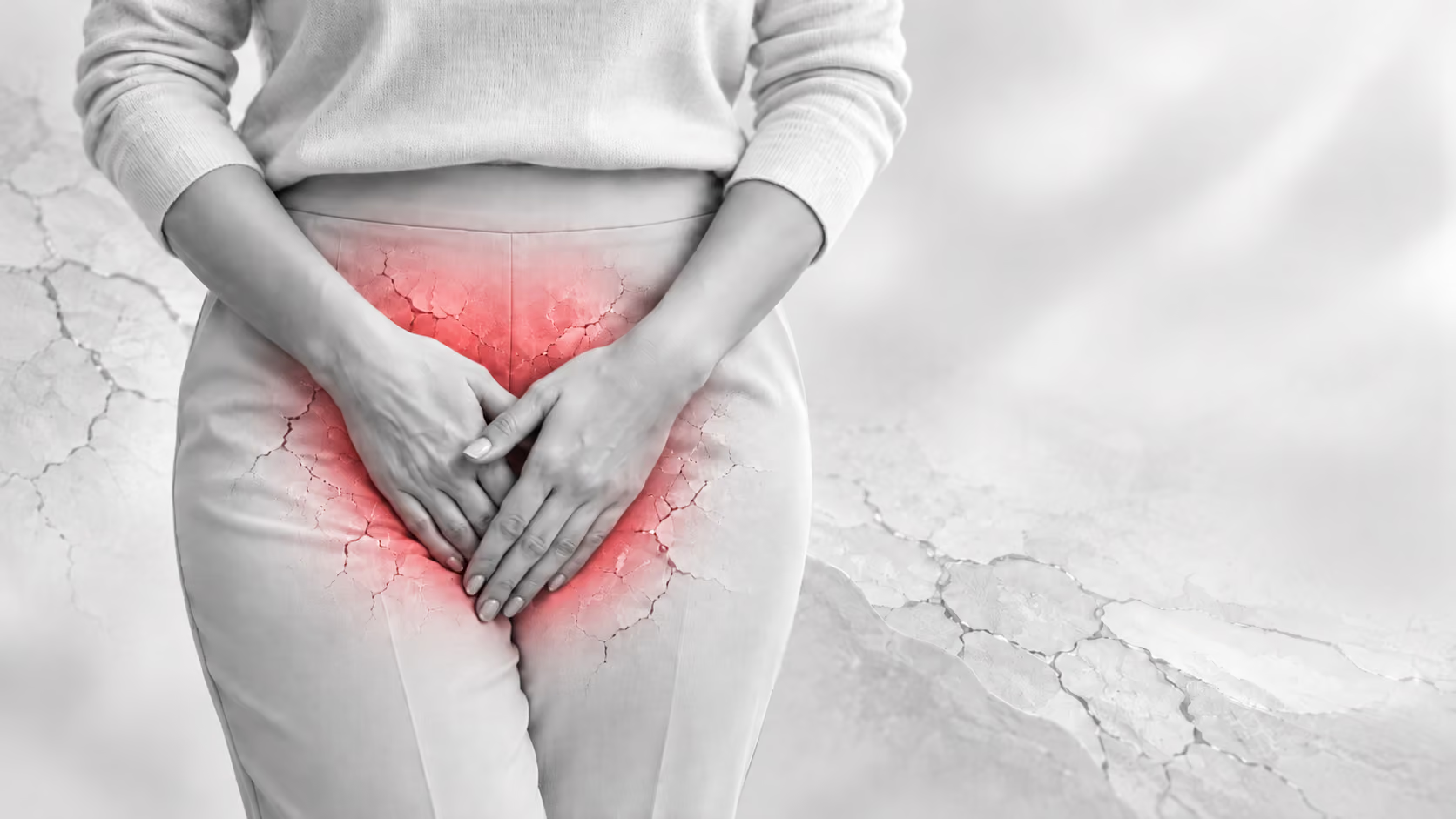
Vaginal dryness is one of the most common concerns women experience during and after menopause, but dryness is often only one part of a broader condition called genitourinary syndrome of menopause, or GSM.
GSM can affect the vagina, vulva, bladder and urinary tract. Symptoms may include vaginal dryness, burning, irritation, painful intercourse, urinary urgency and recurrent urinary tract infections.
Unlike hot flashes, which may eventually improve, vaginal and urinary symptoms related to declining estrogen often persist without treatment.
At Revive Gynecology & Cosmetics in Marlton, New Jersey, we evaluate these symptoms as part of a woman's overall menopause and sexual health rather than treating vaginal dryness as an isolated complaint.
During perimenopause and menopause, estrogen levels decline. Estrogen plays an important role in maintaining vaginal tissue thickness, elasticity, lubrication and blood flow. As estrogen decreases, vaginal tissue may become thinner, drier and less elastic. Changes can also affect the urethra and bladder.
The term genitourinary syndrome of menopause recognizes that these changes involve much more than vaginal dryness.
Women may experience one or several symptoms, including:
Some women assume these symptoms are simply something they have to accept with aging. They are not.
There are multiple treatment options, and treatment can be individualized according to symptoms, medical history and personal preferences.
Reduced estrogen can make vaginal tissue thinner, less elastic and less naturally lubricated.
Penetration can consequently cause friction, burning or pain. Women who anticipate pain may begin avoiding intercourse, which can affect both sexual function and relationships.
Treating the underlying tissue changes rather than simply trying to tolerate the discomfort can make a significant difference.
There is no single treatment that is appropriate for every woman.
For mild symptoms, vaginal moisturizers and lubricants may be an appropriate first step.
Lubricants are primarily used during sexual activity to decrease friction, while vaginal moisturizers are generally used regularly to improve ongoing dryness.
Local vaginal estrogen is one of the most effective treatments for GSM.
It can be delivered through vaginal creams, tablets, inserts or rings.
Unlike systemic hormone therapy, low-dose vaginal estrogen is intended primarily to treat local vaginal and urinary tissues. Current guidelines recommend offering local low-dose vaginal estrogen to appropriate patients with GSM experiencing dryness, irritation or painful intercourse.
Some women who are not using vaginal estrogen may be candidates for other prescription treatments, including vaginal DHEA or certain selective estrogen receptor modulators.
The appropriate option depends on symptoms and medical history.
When vaginal symptoms occur together with hot flashes, night sweats, sleep disturbance or other menopause symptoms, systemic hormone therapy may also be considered.
Systemic therapy and local vaginal therapy serve different purposes, and some women using systemic hormone therapy may still require additional local treatment for persistent GSM symptoms.
Hormone therapy should be individualized according to a woman's symptoms, medical history, risk factors and treatment goals.
Some women ask about radiofrequency, CO2 laser or other energy-based vaginal treatments.
These treatments should not automatically replace established medical therapy for GSM.
The first step is determining why the symptoms are occurring. Vaginal dryness caused primarily by estrogen deficiency may require a different approach than vaginal laxity, pelvic floor dysfunction or other concerns.
For selected patients, different therapies may ultimately be combined as part of an individualized treatment plan.
This distinction is particularly important because the term "vaginal rejuvenation" encompasses several different concerns that do not necessarily have the same treatment.
Yes.
The effects of menopause are not limited to vaginal tissue. Estrogen decline also affects tissues surrounding the urethra and urinary tract.
For women with GSM and recurrent urinary tract infections, the 2025 AUA/SUFU/AUGS guideline recommends local low-dose vaginal estrogen to reduce the risk of future UTIs when appropriate.
Women experiencing repeated urinary symptoms should still be properly evaluated because urinary frequency, burning and discomfort can have causes unrelated to menopause.
Usually not.
ACOG states that routine hormone testing generally isn't recommended before starting hormone therapy for typical menopausal symptoms because hormone levels fluctuate considerably during the menopause transition. Evaluation can instead be based on symptoms, menstrual history and medical history when appropriate. Testing may still be appropriate in selected clinical situations.
Consider an evaluation if vaginal or urinary symptoms are affecting:
Bleeding after menopause should not simply be attributed to vaginal dryness and warrants medical evaluation.
Menopause care is about much more than treating hot flashes. Vaginal comfort, urinary health and sexual function are important parts of a woman's overall health and quality of life.
At Revive Gynecology & Cosmetics in Marlton, NJ, menopause and intimate-health concerns can be evaluated together so treatment can address the underlying cause rather than simply treating individual symptoms.
Women experiencing vaginal dryness, painful intercourse, urinary changes or other menopause symptoms can schedule a consultation to discuss an individualized treatment plan.